Primary Target
Email, Banking & Online Account Users
Scam Type Guide
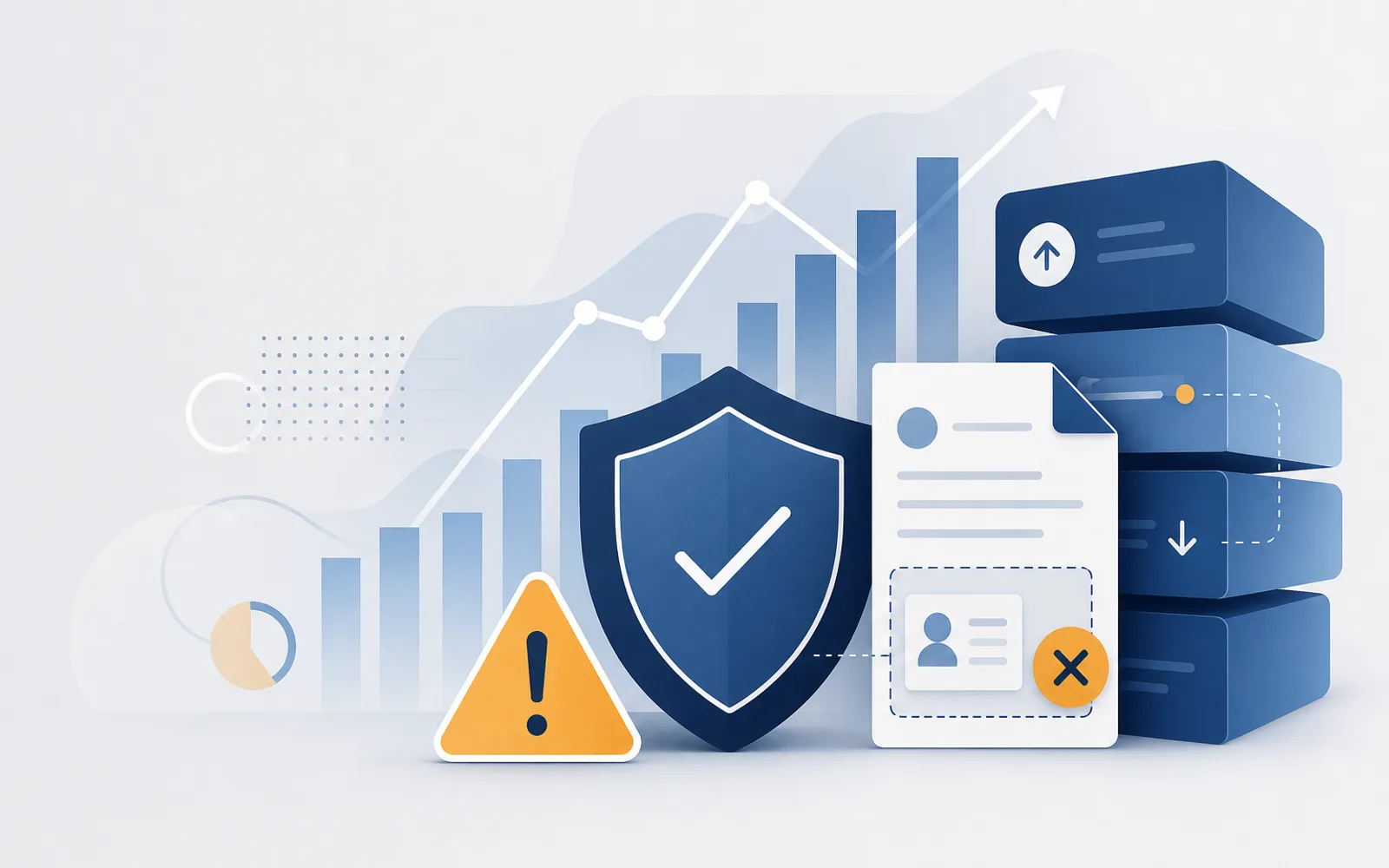
Phishing scams use fraudulent emails, messages, websites, login pages, and impersonation tactics to steal passwords, payment information, banking credentials, cryptocurrency access, or other sensitive data. Stolen information may then be used for unauthorized transactions, account takeovers, or further fraud.
At a Glance
Key context for recognizing how this scam pattern commonly appears.
Primary Target
Email, Banking & Online Account Users
Common Method
Fake Messages, Login Pages & Impersonation
Common Channels
Email, SMS, Messaging Apps & Social Media
Typical Goal
Credentials, Personal Data or Money
Risk Level
Medium
Important Evidence
Messages, URLs, Screenshots & Transaction Records
Overview
A phishing scam is a form of fraud in which criminals impersonate trusted organizations or individuals to trick victims into revealing sensitive information or authorizing payments.
Fraudulent messages often imitate banks, payment providers, government agencies, online services, cryptocurrency exchanges, delivery companies, or well-known businesses.
The victim may be directed to a fake website, asked to provide a security code, download a malicious file, or make an urgent payment.
Process
A typical sequence used to build trust, escalate deposits and block withdrawals.
Step 01
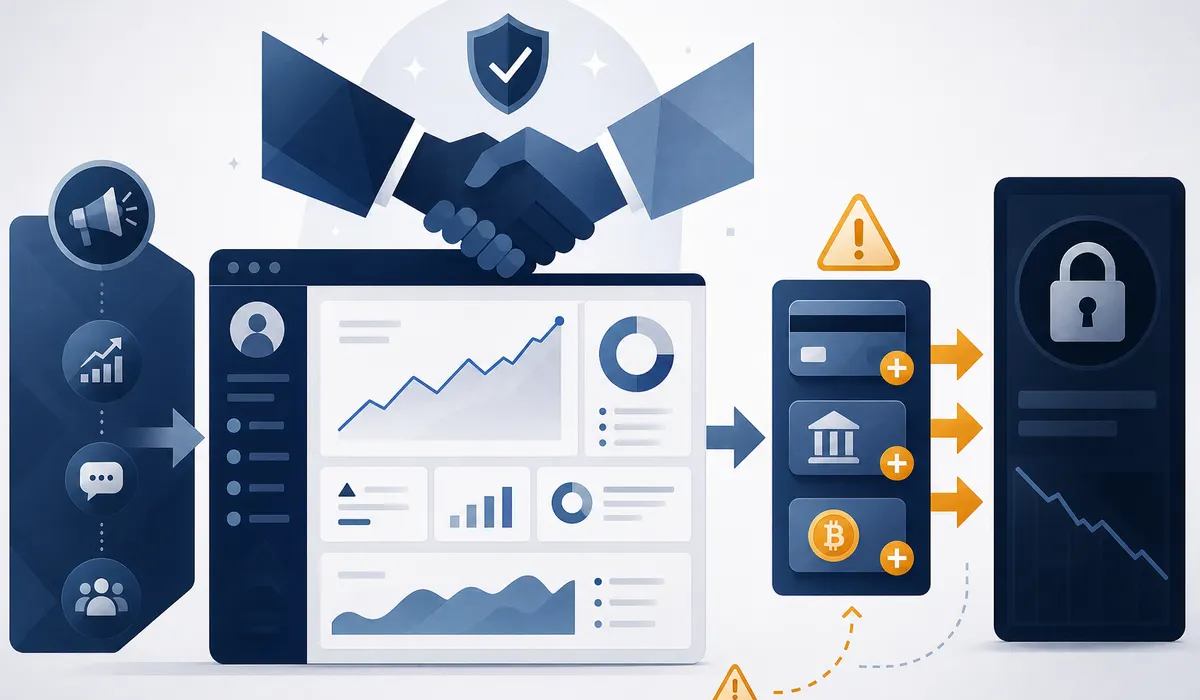
The victim receives an email, text message, social media message, or other communication that appears to come from a trusted organization.
Step 02
The message claims that an account is locked, a payment failed, suspicious activity occurred, or immediate verification is required.
Step 03
The victim is directed to a fraudulent website or asked to provide account information, passwords, payment details, or security codes.
Step 04
The scammer collects the submitted credentials, financial information, or authentication codes.
Step 05
Stolen information may be used to access banking, email, social media, payment, or cryptocurrency accounts.
Step 06
Fraudsters may make transfers, purchases, withdrawals, password changes, or other unauthorized account actions.
Step 07
The victim notices unfamiliar transactions, login alerts, password changes, or other suspicious account activity.
Warning Signs
These signals do not prove fraud by themselves, but several together should prompt extra verification.
A message demands immediate action to prevent account suspension, financial loss, or another serious consequence.
The linked website uses a misspelled, unusual, shortened, or unrelated domain name.
The message asks you to provide account passwords, PINs, wallet recovery phrases, or other sensitive credentials.
Someone asks for a one-time password or verification code that was sent to your phone or email.
The message contains files or downloads that you were not expecting.
You are instructed to make an urgent payment, bank transfer, cryptocurrency transfer, or other financial transaction.
Tactics
Phishing scammers rely on impersonation, urgency, fear, and convincing copies of trusted websites or messages to persuade victims to disclose sensitive information or approve fraudulent activity.
Fraudsters copy logos, email formats, website designs, and company names to imitate trusted organizations.
Victims are directed to websites designed to capture usernames, passwords, and other account credentials.
Messages falsely claim that an account has been compromised, suspended, or requires urgent verification.
Fraudsters send false purchase, invoice, refund, or transaction alerts to create panic and encourage immediate action.
Scammers attempt to obtain authentication codes needed to access or modify an account.
Phishing attempts are delivered through SMS, WhatsApp, Telegram, or other messaging applications instead of traditional email.
Prevention
Practical checks that can reduce exposure to fabricated investment offers.
Check 01
Access your accounts by typing the official website address or using the official application instead of clicking unexpected links.
Check 02
Check email addresses, phone numbers, domains, and account names carefully before responding.
Check 03
Never share one-time passwords, PINs, or authentication codes with unexpected callers or messages.
Check 04
Enable strong authentication methods on important banking, email, payment, and cryptocurrency accounts.
Check 05
Avoid opening unexpected files, applications, or attachments from unknown or unverified sources.
Check 06
Contact the organization independently through its official website, application, or published contact information.
If You Were Targeted
General educational steps. Adapt them to your jurisdiction and payment channels.
Do not provide additional information, security codes, payments, or account access.
Change passwords for affected accounts and any other accounts using the same or similar credentials.
Review account sessions, remove unknown devices, enable multi-factor authentication, and follow the provider's security procedures.
If money or banking information was involved, notify your bank, card issuer, payment provider, or cryptocurrency exchange as soon as possible.
Save the original message, sender information, website address, screenshots, transaction details, and any related communications.
Report the fraudulent account, website, message, or transaction to the relevant platform, financial provider, or authorities where appropriate.
If funds were lost, organize the payment records and supporting evidence to evaluate possible recovery pathways.
GFKC may help users understand possible recovery pathways and request legal guidance. Recovery is not guaranteed and depends on evidence, jurisdiction, payment method and the parties involved.
Related Patterns
Nearby fraud patterns that often overlap with investment schemes.
Knowledge
Practical guides that may help after suspicious investment contact.
FAQ
Cautious answers about fabricated returns, deposits and recovery claims.
Confidential Case Review
Prepare your evidence or submit your case for confidential assessment before sending more money or sharing sensitive information.
Submitting a request does not create an attorney-client relationship and does not guarantee representation, recovery, or any specific outcome.