Primary Target
People Seeking Personal or Business Loans
Scam Type Guide
Online loan scams target people seeking personal, business, or emergency financing. Fraudsters pose as lenders or loan agents and may promise fast approval, low interest rates, or guaranteed loans before requesting advance fees, deposits, insurance payments, taxes, or personal financial information.
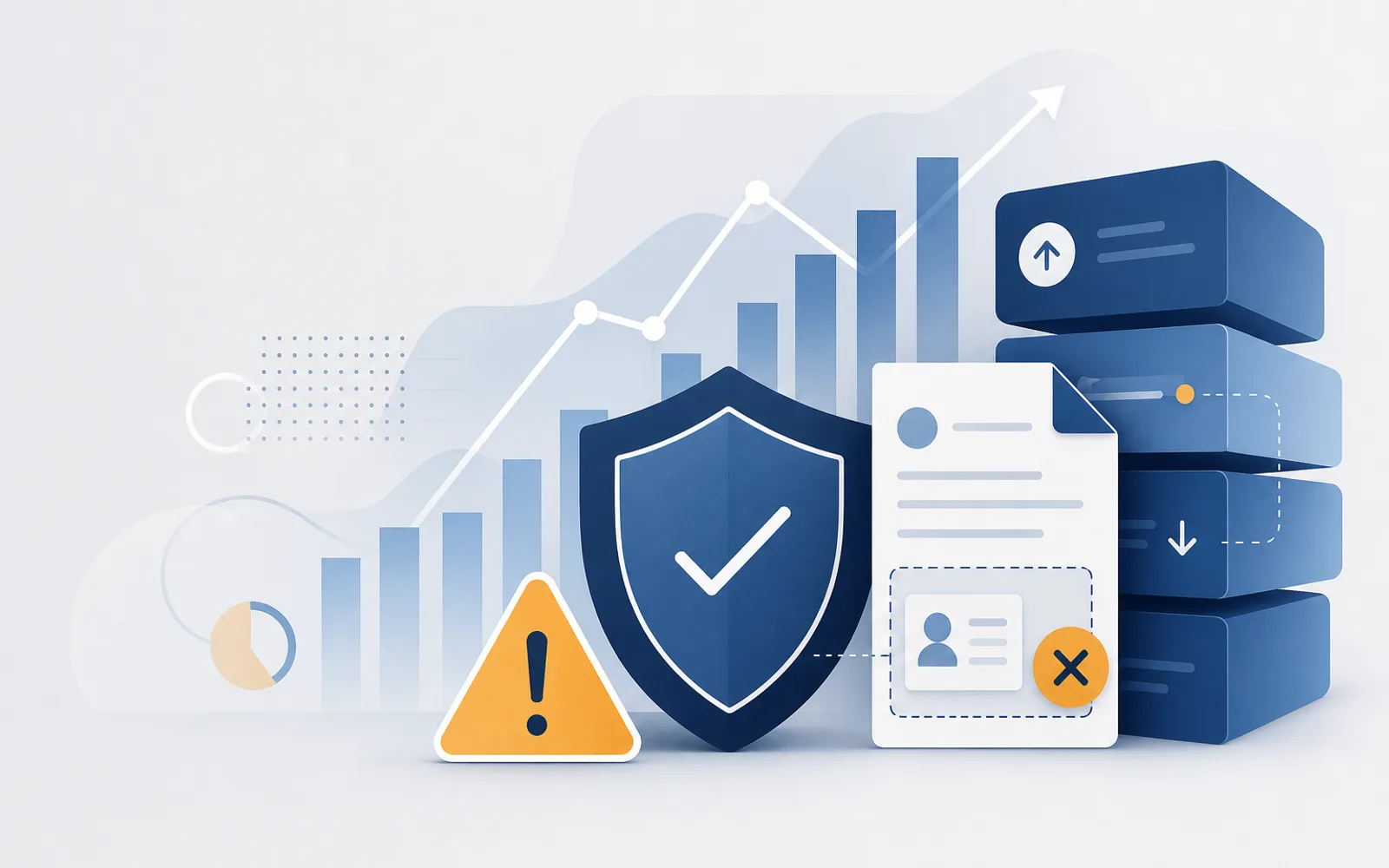
At a Glance
Key context for recognizing how this scam pattern commonly appears.
Primary Target
People Seeking Personal or Business Loans
Common Method
Fake Lenders & Advance Fees
Common Channels
Social Media, Messaging Apps, Loan Websites
Payment Methods
Bank Transfer, E-Wallet, Cryptocurrency
Risk Level
High
Important Evidence
Loan Documents, Messages & Payment Records
Overview
An online loan scam occurs when fraudsters pretend to be legitimate lenders, loan brokers, or financial institutions in order to obtain money or personal information from victims.
Scammers commonly advertise fast approval, guaranteed loans, unusually favorable interest rates, or financing for people who have difficulty obtaining credit elsewhere.
Victims are often asked to pay processing fees, insurance charges, deposits, taxes, or other advance payments, but the promised loan is never delivered.
Process
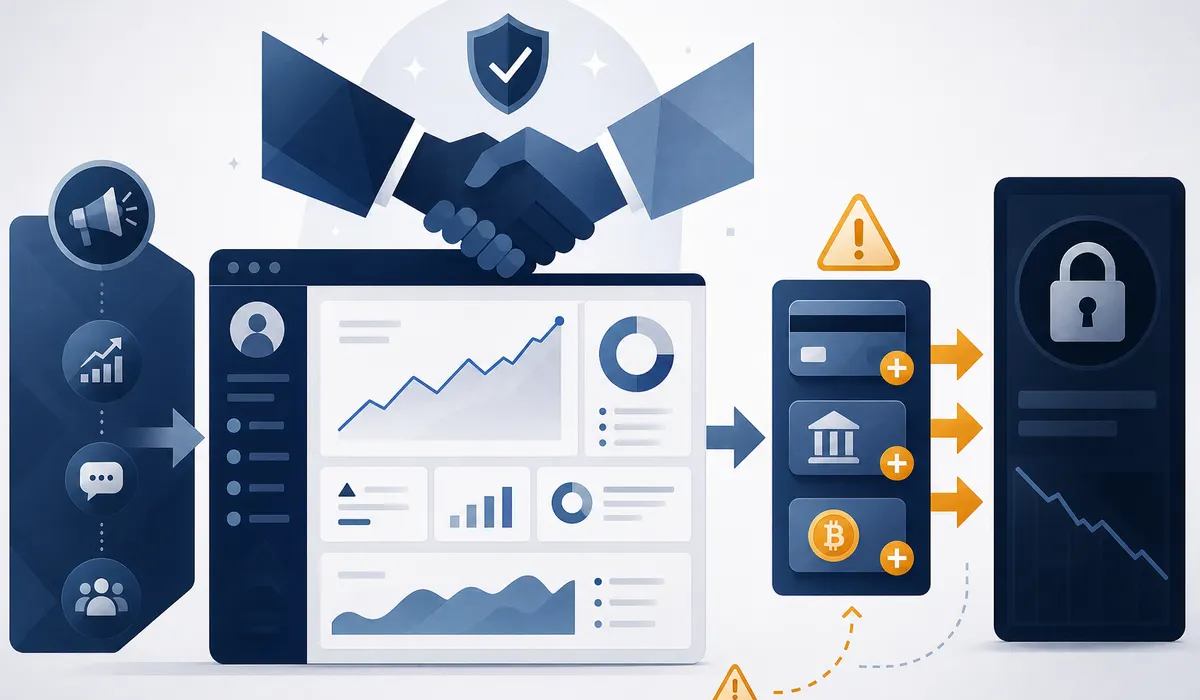
A typical sequence used to build trust, escalate deposits and block withdrawals.
Step 01
The victim sees an advertisement or receives a message offering fast, easy, or guaranteed loan approval.
Step 02
The scammer requests personal information and creates the appearance of a legitimate loan application.
Step 03
The victim is told that the loan has been approved, often with unusually favorable terms.
Step 04
A processing fee, insurance payment, security deposit, tax, or other charge is requested before the loan can supposedly be released.
Step 05
After the first payment, new fees or administrative requirements continue to appear.
Step 06
The promised loan is not transferred despite the victim completing the requested payments.
Step 07
The fake lender stops responding, blocks the victim, or removes the website or social media account.
Warning Signs
These signals do not prove fraud by themselves, but several together should prompt extra verification.
The lender promises approval regardless of income, credit history, or financial circumstances.
Money must be paid before the promised loan can supposedly be released.
The lender's company, license, business address, or registration information cannot be independently confirmed.
The victim is told that the loan offer will expire unless a fee is paid immediately.
The lender asks for payment through cryptocurrency, personal accounts, e-wallets, or other difficult-to-reverse methods.
Additional insurance, tax, processing, verification, or transfer charges appear after earlier payments have already been made.
Tactics
Online loan scammers exploit financial urgency by creating the appearance of easy approval and then introducing a series of fees that victims are told must be paid before the loan can be released.
Fraudsters promise loans without meaningful credit, income, or affordability checks.
Professional-looking approval letters, contracts, certificates, or payment schedules are used to appear legitimate.
Victims are attracted by interest rates or repayment terms that may be significantly better than realistic market offers.
Processing, insurance, security, tax, or administrative fees are demanded before the loan is supposedly transferred.
Each completed payment is followed by another unexpected charge or requirement.
Scammers may misuse the names, logos, addresses, or registration details of legitimate lenders.
Prevention
Practical checks that can reduce exposure to fabricated investment offers.
Check 01
Check the lender's company details and authorization through appropriate official or regulatory sources.
Check 02
Check the website domain, contact details, business history, and whether independent warnings exist.
Check 03
Be cautious when approval is promised without reasonable financial or identity checks.
Check 04
Do not assume that an upfront payment is legitimate simply because it is described as insurance, tax, processing, or verification.
Check 05
Do not provide passwords, PINs, one-time security codes, or other account credentials.
Check 06
Save loan agreements, approval letters, messages, advertisements, receipts, and payment instructions.
If You Were Targeted
General educational steps. Adapt them to your jurisdiction and payment channels.
Do not send additional processing fees, insurance payments, taxes, deposits, or loan release charges.
Save contracts, approval letters, advertisements, websites, emails, messages, phone numbers, and lender information.
Keep bank statements, transfer confirmations, e-wallet records, cryptocurrency wallet addresses, and transaction hashes.
Notify the bank, card issuer, e-wallet provider, cryptocurrency exchange, or other payment service involved as soon as possible.
Report the suspected lender to relevant financial regulators, consumer protection authorities, platforms, or law enforcement where appropriate.
Organize the available evidence and obtain appropriate professional guidance to evaluate possible recovery pathways.
GFKC may help users understand possible recovery pathways and request legal guidance. Recovery is not guaranteed and depends on evidence, jurisdiction, payment method and the parties involved.
Related Patterns
Nearby fraud patterns that often overlap with investment schemes.
Knowledge
Practical guides that may help after suspicious investment contact.
FAQ
Cautious answers about fabricated returns, deposits and recovery claims.
Confidential Case Review
Prepare your evidence or submit your case for confidential assessment before sending more money or sharing sensitive information.
Submitting a request does not create an attorney-client relationship and does not guarantee representation, recovery, or any specific outcome.