Primary Target
Online Buyers & Sellers
Scam Type Guide
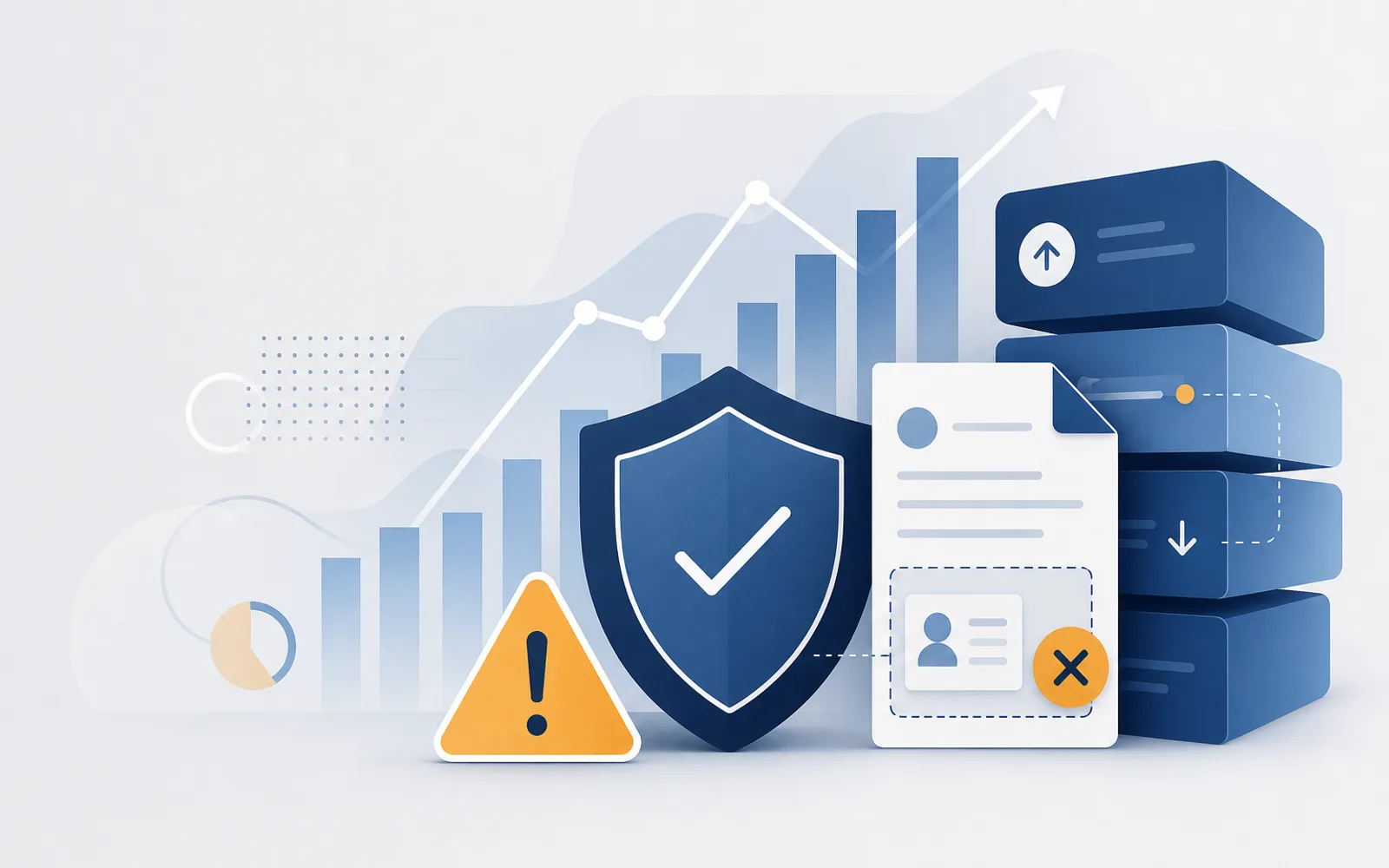
Marketplace scams target buyers and sellers through fake product listings, fraudulent payment confirmations, impersonated delivery services, off-platform payment requests, and nonexistent goods. Victims may lose money, merchandise, account access, or sensitive financial information during what appears to be a legitimate online transaction.
At a Glance
Key context for recognizing how this scam pattern commonly appears.
Primary Target
Online Buyers & Sellers
Common Method
Fake Listings, Payments & Buyer Impersonation
Common Channels
Marketplaces, Social Media & Messaging Apps
Payment Methods
Bank Transfer, Card, E-Wallet & Cryptocurrency
Risk Level
Medium
Important Evidence
Listings, Chats, Payment Records & Delivery Details
Overview
A marketplace scam is a fraudulent scheme that targets people buying or selling goods and services through online marketplaces, classified websites, social media, or e-commerce platforms.
Fraudsters may advertise products that do not exist, send fake payment confirmations, impersonate buyers or sellers, manipulate delivery arrangements, or direct victims to fraudulent payment websites.
The scam often relies on moving communication or payment away from the official platform, where legitimate marketplace protections may no longer apply.
Process
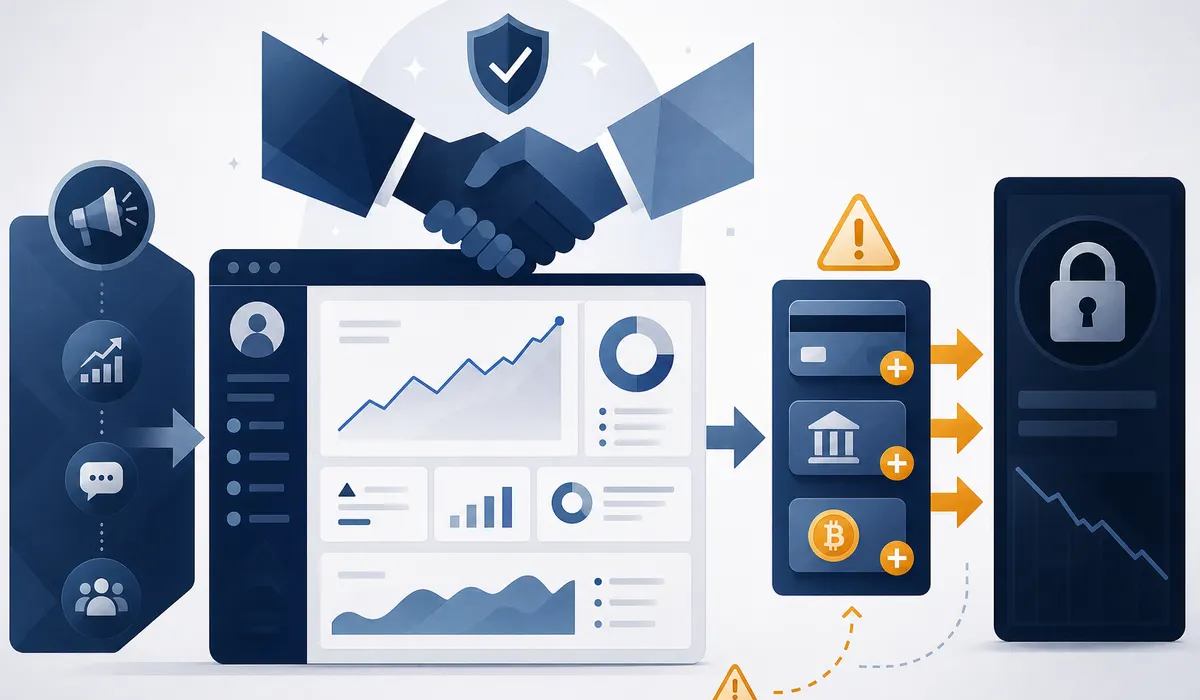
A typical sequence used to build trust, escalate deposits and block withdrawals.
Step 01
The victim responds to an online listing or is contacted by someone claiming to be interested in purchasing an item.
Step 02
The scammer communicates normally at first and may provide convincing profile information, product details, or payment arrangements.
Step 03
The victim is encouraged to continue communication or complete payment outside the official marketplace.
Step 04
The scammer sends fake payment confirmations, fraudulent payment links, false invoices, or requests unusual transfer methods.
Step 05
The buyer sends payment for nonexistent goods, or the seller releases an item after believing that payment has been completed.
Step 06
The scammer may request delivery fees, account upgrade charges, insurance payments, refunds, or other additional transfers.
Step 07
The product never arrives, the payment never clears, the buyer disappears, or the victim discovers that the transaction information was fraudulent.
Warning Signs
These signals do not prove fraud by themselves, but several together should prompt extra verification.
A valuable product is offered at a price significantly below normal market value without a convincing explanation.
The seller or buyer insists on using bank transfer, cryptocurrency, or another payment method outside the marketplace.
You receive screenshots, emails, or messages claiming payment was made, but the funds do not appear in your official account.
A buyer pressures you to ship an item before the payment has been independently confirmed.
You are directed to an unfamiliar website to supposedly receive money, verify your account, or arrange delivery.
The other party quickly asks to leave the marketplace and continue through WhatsApp, Telegram, or another private channel.
Tactics
Marketplace scammers exploit the speed and informality of online transactions by using fake listings, false payment confirmations, fraudulent delivery arrangements, and impersonated buyers or sellers.
Fraudsters advertise desirable products using stolen photographs or descriptions even though the goods do not exist.
Sellers are shown fabricated bank or payment confirmations to persuade them to release goods before receiving actual funds.
Victims are sent fake websites that request card details, banking information, passwords, or authentication codes.
A supposed buyer claims to have paid too much and asks the seller to return the difference before the original payment is confirmed.
Scammers impersonate couriers or shipping companies and request delivery, insurance, or verification payments.
Fraudsters send emails or messages that imitate official marketplace notifications to make fraudulent instructions appear legitimate.
Prevention
Practical checks that can reduce exposure to fabricated investment offers.
Check 01
Whenever possible, complete transactions through the marketplace's official payment and communication tools.
Check 02
Check your actual bank or payment account rather than relying on screenshots, emails, or messages supplied by another person.
Check 03
Review account history, ratings, profile age, contact information, and other available indicators before proceeding.
Check 04
Do not enter banking, card, or login credentials into payment or delivery pages sent by unknown buyers or sellers.
Check 05
Wait until payment has been fully confirmed before releasing goods or arranging irreversible delivery.
Check 06
Save listings, profile information, chat history, payment instructions, receipts, and delivery details.
If You Were Targeted
General educational steps. Adapt them to your jurisdiction and payment channels.
Do not send additional delivery fees, insurance charges, refund payments, account upgrade fees, or other requested transfers.
Save the listing, profile, usernames, messages, photographs, product details, website links, and transaction history.
Keep bank statements, card records, transfer confirmations, e-wallet information, wallet addresses, and transaction references.
If money was transferred, notify your bank, card issuer, e-wallet provider, cryptocurrency exchange, or payment service as soon as possible.
Report the fraudulent listing, buyer, seller, or message to the marketplace or social media platform.
Report significant financial losses to appropriate law enforcement, consumer protection, or fraud reporting authorities where applicable.
If money was lost, organize the payment records and supporting evidence to evaluate possible recovery pathways based on the transaction method.
GFKC may help users understand possible recovery pathways and request legal guidance. Recovery is not guaranteed and depends on evidence, jurisdiction, payment method and the parties involved.
Related Patterns
Nearby fraud patterns that often overlap with investment schemes.
Knowledge
Practical guides that may help after suspicious investment contact.
Practical Guide
Learn what to do after a pig butchering scam, including stopping further payments, preserving relationship and investment evidence, documenting cryptocurrency transactions, contacting financial providers, and preparing a recovery case.
5 min read
Read articleFAQ
Cautious answers about fabricated returns, deposits and recovery claims.
Confidential Case Review
Prepare your evidence or submit your case for confidential assessment before sending more money or sharing sensitive information.
Submitting a request does not create an attorney-client relationship and does not guarantee representation, recovery, or any specific outcome.